

Tree Services | September 5, 2024
When Is the Best Time to Prune Trees and Stumps
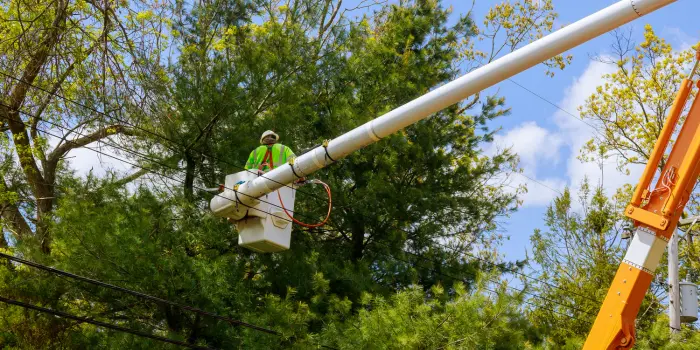
Pruning trees and removing stumps are crucial practices for maintaining a vibrant and healthy landscape in East Hartford, Connecticut. Understanding the optimal timing for these tasks can make a significant difference in the overall well-being of your plants. When is the best time to prune trees and stumps? This is a question that gardeners and landscapers frequently ask. This comprehensive guide delves into the nuances of pruning and stump removal, providing detailed insights into seasonal considerations, species-specific advice, and effective techniques. Whether you’re aiming to enhance the health of your trees or clear out stumps to make way for new growth, knowing when and how to perform these tasks will help you achieve the best results for your outdoor space.
Understanding the Basics of Pruning
Before we explore the optimal timing, let's establish why pruning is essential. Pruning is the selective removal of certain parts of a plant, such as branches, buds, or roots. Reasons to prune include deadwood removal, shaping (by controlling or redirecting growth), improving or maintaining health, reducing risk from falling branches, preparing nursery specimens for transplanting, and both harvesting and increasing the yield or quality of flowers and fruits.
Seasonal Insights: When to Prune?
The timing of pruning can have a significant impact on a tree's health and the safety of its surrounding environment. Here's a seasonal breakdown to help you plan your pruning activities in East Hartford, Connecticut:
-
Winter Pruning: Dormancy (late fall to winter) is a common time for pruning many types of trees because it results in a vigorous burst of new growth in the spring. However, it's best to wait until the coldest part of winter has passed. Some species, such as walnuts, maples, and birches, may bleed sap if pruned in the winter. This isn't harmful, but for aesthetic reasons, you might want to wait until the sap has stopped flowing.
-
Spring Pruning: Pruning should be performed just after the spring growth flush for trees and shrubs that were not pruned in the winter. The plant will have expended some of its energy reserves to produce new growth, so pruning right after this growth period will minimize stress on the plant.
-
Summer Pruning: To direct the growth of a tree by slowing the branches you don't want or to slow the development of a tree or branch, pruning should be done soon after seasonal growth is complete. The slowing effect is more significant when trees are pruned early in the summer rather than later.
-
Autumn Pruning: It's generally advised to avoid pruning in the autumn because cuts heal slower on both trees and plants. Also, pruning can stimulate new growth just when the plant is trying to go dormant, which can weaken the plant.
Special Considerations for Different Tree Species
It's important to consider the species of your trees when deciding on the best time to prune. Some trees, like oak, are best pruned in the dormant season to prevent the spread of disease. Others, such as fruit trees, may need to be pruned at specific times to ensure a good crop. Consult a local arborist or extension office in East Hartford for guidance on the specific needs of your trees.
When Is the Best Time to Prune Trees and Stumps?
Now, let's dive deeper into the key phrase that's central to our discussion: "When is the best time to prune trees and stumps?" Pruning trees and removing stumps are two different practices that require unique timing and approaches:
-
Best Time to Prune Trees: As mentioned earlier, the best time to prune most trees is during their dormant season, typically late fall through winter. This period minimizes sap loss and stress to the tree and also makes it easier to see the structure of the tree without leaves. For flowering trees, the timing should be adjusted depending on whether they bloom on new or old wood.
-
Best Time to Remove Stumps: Stump removal can be done at any time of year, but the process may be easier in late winter or early spring when the ground is softer, making it easier to remove the root system. Moreover, if you are planning to plant a new tree in the same area, removing the stump and roots well in advance gives the soil time to recover.
Tools and Techniques for Pruning Trees and Stumps
Having the right tools on hand is just as important as timing when it comes to pruning trees and removing stumps. Here are some essential tools and techniques:
-
Pruning Tools: Hand pruners, loppers, pruning saws, and hedge shears are the basic tools for pruning trees. Each has its application depending on the size of the branches to be pruned.
-
Stump Removal Tools: Stump grinders are typically used by professionals to quickly remove tree stumps. For smaller stumps, hand tools such as shovels, mattocks, and axes might be sufficient.
FAQs
- When is the best time to prune trees and stumps?
The best time to prune most trees is during their dormant season, which is late fall through winter. Stump removal can be done at any time of year, but may be easier when the ground is softer during late winter or early spring.
- Can pruning be done in summer or spring?
Yes, pruning can be done in summer or spring, but it's usually specific to certain goals, such as directing growth or after the spring growth flush.
- Is it okay to prune trees in the autumn?
It's generally recommended to avoid autumn pruning since it can hinder the tree's ability to enter dormancy and can also lead to slower healing of pruning cuts.
- Does the type of tree affect the pruning time?
Yes, different species of trees have different ideal pruning times, especially to prevent disease spread or to ensure proper flowering and fruiting.
- What tools are needed for pruning?
Essential tools for pruning include hand pruners, loppers, pruning saws, and hedge shears.
Effective pruning and stump removal are key to a thriving landscape in East Hartford, Connecticut. While pruning is ideally done during the dormant season to minimize stress and promote vigorous growth, stump removal is best undertaken when the ground is softer, typically in late winter or early spring. By understanding the specific needs of your plants and applying the right techniques at the appropriate times, you can ensure that your trees remain healthy and your outdoor space remains beautiful. "When is the best time to prune trees and stumps?" requires thoughtful consideration of various factors, but with the guidance provided in this article, you’re well-prepared to make informed decisions and maintain a stunning and robust landscape for years to come.


Ingenuity & Solutions / December 27, 2024
What Most Homeowners Overlook When Planning Their Dream Patio
Learn about the key factors homeowners often overlook when designing their dream patio, from functionality to future maintenance needs.

Ingenuity & Solutions / December 18, 2024
Why Early Snow Removal Saves You Time and Money
Discover why clearing snow early protects your property, ensures safety, and saves time and money during the winter season.

Ingenuity & Solutions / December 11, 2024
Tree Removal vs. Tree Pruning: Choosing the Right Service
Learn the differences between tree removal and pruning, and find out how to decide which service your trees need to maintain health and safety.

Ingenuity & Solutions / December 5, 2024
Patio vs. Deck: Which Outdoor Space is Right for Your East Hartford Home?
Patio or deck? Learn which outdoor space is right for your East Hartford home. Compare benefits, costs, and styles to make the best choice.

Ingenuity & Solutions / December 4, 2024
Stay Safe This Winter: The Importance of Timely Snow Removal
Stay safe this winter in Connecticut! Learn the importance of timely snow removal to prevent accidents, protect your property, and avoid legal risks.

Ingenuity & Solutions / December 3, 2024
Signs It's Time to Remove a Tree: Protect Your Property in Connecticut
Learn the key signs that it’s time to remove a tree and protect your property in Connecticut. Act quickly to prevent damage and ensure safety.
