

Lawn Maintenance | July 3, 2024
Master Lawn Care: Mowing, Fertilizing & Beyond
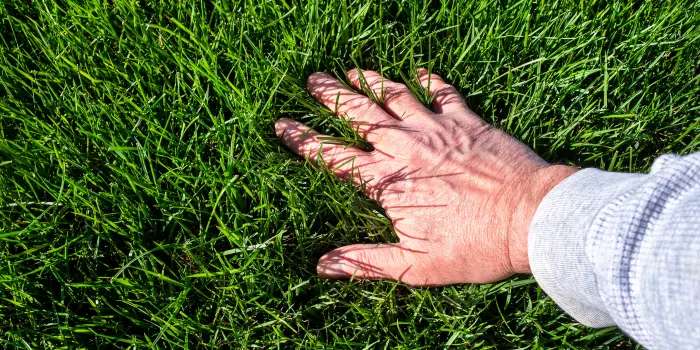
Welcome to the ultimate guide for green-thumb enthusiasts and homeowners alike who yearn for that perfectly manicured lawn that becomes the neighborhood's envy in East Hartford, Connecticut. Lawn care is an art and a science, so whether you're a seasoned gardener or a novice looking to improve your outdoor space, this article will provide you with the requisite knowledge and tips to achieve your lawn goals.
Comprehensive lawn maintenance is not just about occasional mowing and watering; it encompasses a wide range of practices that contribute to your turf's overall health and beauty. This article is a concept that we will explore in-depth, ensuring that you understand the importance of each aspect and how they interconnect to create a lush lawn.
Understanding Your Lawn's Needs in CT
Before diving into the nitty-gritty of lawn care, it's essential to understand that every lawn is unique. Factors such as grass type, soil quality, climate, and lawn usage play a significant role in determining what your lawn requires to thrive. Assessing these factors will help you tailor a lawn care plan that is perfect for your green space.
Comprehensive Lawn Maintenance: Mowing, Fertilizing, and More
Mowing and fertilizing are the cornerstones of lawn maintenance, but they are just the beginning. Comprehensive lawn maintenance includes aeration, watering, weed control, pest management, and seasonal care. Let's delve into each of these components to provide you with a holistic approach to lawn care.
1. Mowing: The Right Way
Mowing might seem straightforward, but doing it the right way is crucial for the health of your grass. Here are some key mowing tips:
- Always use a sharp blade to ensure clean cuts.
- Mow at the recommended height for your grass type; never remove more than one-third of the grass blade length at a time.
- Change your mowing pattern regularly to avoid compacting the soil and creating ruts.
- Leave grass clippings on the lawn as they decompose and provide valuable nutrients.
2. Fertilizing: Feeding Your Lawn
Fertilizing is essential for a lush, green lawn. It replenishes nutrients and enhances your grass's strength and ability to combat stress and pests. Here's how to fertilize properly:
- Conduct a soil test to understand the specific nutrient requirements of your lawn.
- Choose a fertilizer that matches your lawn's needs, whether it's high in nitrogen, phosphorus, or potassium.
- Apply fertilizer during the growing season, following the product's recommended schedule and application rates.
- Consider slow-release formulas that provide nutrients over time, reducing the risk of over-fertilization.
3. Watering: The Lifeline of Your Lawn
Watering is a delicate balance; too little and your lawn can become dry and brittle, and too much can lead to disease and root rot. Here's how to water wisely:
- Water deeply and infrequently to encourage strong root growth.
- The best time to water is early in the morning to minimize evaporation and fungal growth.
- Aim for about an inch of water per week, either from rainfall or irrigation.
- Use a rain gauge to monitor water levels and adjust your watering schedule accordingly.
4. Aeration: Breathing Life into Your Lawn
Aeration is the process of perforating the soil to allow air, water, and nutrients to penetrate the grass roots. This helps the roots grow deeply and produce a stronger, more vigorous lawn. Here are some aeration tips:
- Aerate your lawn during its peak growing season.
- Use a core aerator for the best results, as it removes plugs of soil rather than just poking holes.
- Aerate when the soil is moist but not saturated, making it easier to penetrate.
- Overseed your lawn after aeration to fill in any bare spots and improve turf density.
5. Weed and Pest Control: Defending Your Turf
Weeds and pests can be a significant threat to the health and appearance of your lawn. Integrated pest management (IPM) strategies can help you control these unwelcome guests. Here are some IPM principles:
- Identify weeds and pests correctly to choose the best control methods.
- Maintain healthy grass to naturally resist weeds and pests.
- Use cultural, biological, and chemical controls as needed, with an emphasis on environmentally friendly options.
- Apply herbicides and pesticides according to the label instructions, targeting only affected areas to minimize impact.
6. Seasonal Lawn Care: Timing is Everything
Your lawn requires different care routines as the seasons change. From spring revival to winter preparation, each season has its own set of tasks:
- Spring: Clean up debris, mow early and often, fertilize, and control weeds.
- Summer: Water deeply, mow at a higher setting to retain moisture, and watch for signs of stress or pests.
- Fall: Continue mowing and watering as needed, aerate, overseed, and apply a winterizing fertilizer.
- Winter: Minimize foot traffic, keep the lawn clear of debris, and sharpen your mower blades for spring.
7. Lawn Equipment and Tools: Invest in Quality
Quality lawn care equipment can make maintenance tasks easier and more effective. Here are some essential tools:
- A reliable lawn mower, either push or ride depending on lawn size.
- A string trimmer for edging and hard-to-reach areas.
- A leaf blower for clearing debris.
- Garden hoses or an irrigation system for efficient watering.
- Spreaders and sprayers are used even for fertilizer and pesticide applications.
FAQs
- How often should I mow my lawn?
It depends on the growth rate and the recommended height for your grass type. A general rule is to mow as often as needed to avoid cutting more than one-third of the blade length at a time. - Can I fertilize my lawn too much?
Yes, over-fertilization can harm your lawn by causing nutrient imbalances, promoting excessive growth, and increasing the risk of disease. - What are the signs of an over-watered lawn?
An over-watered lawn may have a spongy feel, exhibit a yellow or light green color, and be prone to weeds, diseases, and shallow root systems. - When is the best time to aerate my lawn?
The best time to aerate is during your lawn's peak growing season—spring or fall for cool-season grasses and late spring through early summer for warm-season grasses. - How can I control lawn weeds without chemicals?
Maintain a dense, healthy lawn to crowd out weeds, hand-pull weeds when they appear, and use organic or natural pre-emergent herbicides like corn gluten meal.
Comprehensive lawn maintenance is a year-round commitment that requires attention to detail and an understanding of your lawn's unique needs. From mowing to fertilizing, and everything in between, each aspect of lawn care plays a vital role in cultivating a healthy, resilient, and aesthetically pleasing turf. Remember, "Comprehensive Lawn Maintenance: Mowing, Fertilizing, and More" is not just a set of tasks—it's a philosophy of nurturing and respect for the living landscape that graces your home.
By following the guidelines outlined in this article, you can master the art of lawn care and enjoy the numerous benefits of an outdoor space that not only looks great but also serves as a natural extension of your living environment. So, embrace the journey of lawn care, and watch as your efforts bloom into a beautiful, thriving lawn that stands as a testament to your dedication and love for the great outdoors.


Ingenuity & Solutions / December 27, 2024
What Most Homeowners Overlook When Planning Their Dream Patio
Learn about the key factors homeowners often overlook when designing their dream patio, from functionality to future maintenance needs.

Ingenuity & Solutions / December 18, 2024
Why Early Snow Removal Saves You Time and Money
Discover why clearing snow early protects your property, ensures safety, and saves time and money during the winter season.

Ingenuity & Solutions / December 11, 2024
Tree Removal vs. Tree Pruning: Choosing the Right Service
Learn the differences between tree removal and pruning, and find out how to decide which service your trees need to maintain health and safety.

Ingenuity & Solutions / December 5, 2024
Patio vs. Deck: Which Outdoor Space is Right for Your East Hartford Home?
Patio or deck? Learn which outdoor space is right for your East Hartford home. Compare benefits, costs, and styles to make the best choice.

Ingenuity & Solutions / December 4, 2024
Stay Safe This Winter: The Importance of Timely Snow Removal
Stay safe this winter in Connecticut! Learn the importance of timely snow removal to prevent accidents, protect your property, and avoid legal risks.

Ingenuity & Solutions / December 3, 2024
Signs It's Time to Remove a Tree: Protect Your Property in Connecticut
Learn the key signs that it’s time to remove a tree and protect your property in Connecticut. Act quickly to prevent damage and ensure safety.
